Chipotle Salad Menu 2026 | Complete Expert Guide
Chipotle Salads: A Fresh & Customizable Choice
What is on the Chipotle Salad Menu?
The Chipotle Salad Menu offers customizable meals with ingredients, proteins, toppings, and salsas. Chipotle Salad Options include chicken, steak, carnitas, or plant-based proteins, with ripe avocados and hand-mashed guac as toppings. This guide explores the Chipotle Mexican Salad menu, including ingredients, prices, calories, nutrition, and customization choices for high-protein, lighter, or vegetarian-friendly meals at Chipotle locations in the United States.
Chipotle salads typically range from 420 to 910 calories, depending on the protein, toppings, and dressing.
Salads can be customized for high-protein, keto, vegetarian, or gluten-friendly preferences. Digital Lifestyle Bowl availability may vary.
Chipotle Salad Menu 2026 | Nutrition & Price Table
| Salad | Price | Calories | Protein | Fat | Carbs | Gluten Free | Dairy | Vegan |
|---|---|---|---|---|---|---|---|---|
| Chicken Salad | $10.95 | ~910 (loaded) | ~38g | ~42g | ~65g | ✔ Yes | If added | ✖ No |
| Carnitas Salad | $11.75 | ~440 | ~30g | ~22g | ~35g | ✔ Yes | If added | ✖ No |
| High Protein Salad | $11.75 | ~470 | ~40g | ~14g | ~42g | ✔ Yes | Optional | ✖ No |
| Low Calorie Salad | $10.75 | ~470 | ~33g | ~12g | ~32g | ✔ Yes | ✔ Free | ✖ No |
| Steak Salad | $11.50 | ~480 | ~37g | ~18g | ~42g | ✔ Yes | If added | ✖ No |
| Paleo Bowl Salad | $12.00 | ~480 | ~32g | ~28g | ~22g | ✔ Yes | ✔ Free | ✖ No |
| Barbacoa Salad | $13.00 | ~980 (loaded) | ~35g | ~52g | ~72g | ✔ Yes | If added | ✖ No |
| Sofritas Salad | $10.95 | ~420 to 650 | ~20g | ~30g | ~52g | ✔ Yes | ✔ Free | ✔ Yes* |
| Wholesome Bowl | ~$11.75 | ~480 | ~35g | ~26g | ~25g | ✔ Yes | ✔ Free | ✖ No |
| Keto Salad Bowl | ~$11.75 | ~470 | ~40g | ~28g | ~18g | ✔ Yes | Contains | ✖ No |
| Whole30 Salad Bowl | ~$11.75 | ~430 | ~28g | ~24g | ~20g | ✔ Yes | ✔ Free | ✖ No |
The Foundation of Every Chipotle Salad
The fresh foundation of every Chipotle salad
What’s in the Supergreens Mix?
Adds crisp texture and a mild flavor that pairs well with proteins and salsa.
Contributes vitamins, minerals and antioxidants to the salad base.
Provides nutrients including iron, folate and magnesium.
All Chipotle Salad Options 2026 – Full Breakdown
Chicken Salad
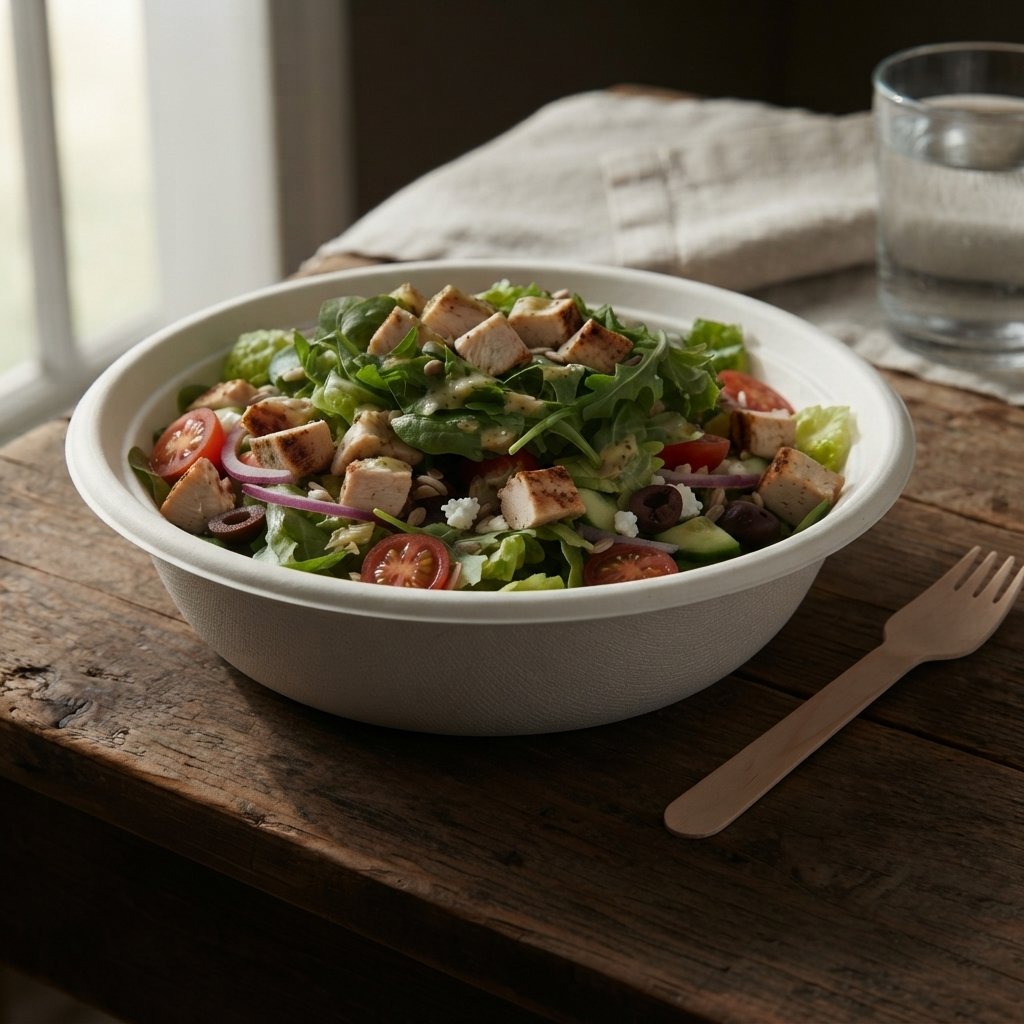
The Chipotle Chicken Salad combines a fresh Supergreens base with seasoned chicken and customizable toppings. It can be built as a protein-focused meal or customized with additional toppings, cheese, sour cream, guacamole, and dressing depending on your calorie and nutrition preferences.
How the Chicken Salad Is Made
Chipotle’s chicken is seasoned with a blend of chipotle peppers, black pepper, cumin, oregano, and garlic before being grilled. The chicken is served over the Supergreens Salad Mix and can be combined with beans, salsas, fajita vegetables, cheese, guacamole, or dressing.
Core Ingredients & Estimated Calories
Best Build for a Protein-Focused Meal
For a balanced, protein-focused salad, consider combining:
Skipping the vinaigrette can significantly reduce the total calorie count. This type of build can provide a high-protein meal while keeping calories more moderate.
🥗 Chicken Salad Nutrition
Calories
Protein
Fat
Carbs
Fiber
Sodium
Allergen & Dietary Information
The salad format does not include a flour tortilla. Cheese and sour cream contain dairy, while guacamole is made with avocado. Ingredient combinations should be checked based on your individual dietary needs and Chipotle’s current allergen information.
Menu prices can vary by location, ordering method, and market.
Nutrition values and prices are provided as estimates and may vary depending on ingredients, portion sizes, location, and customization.
Carnitas Salad
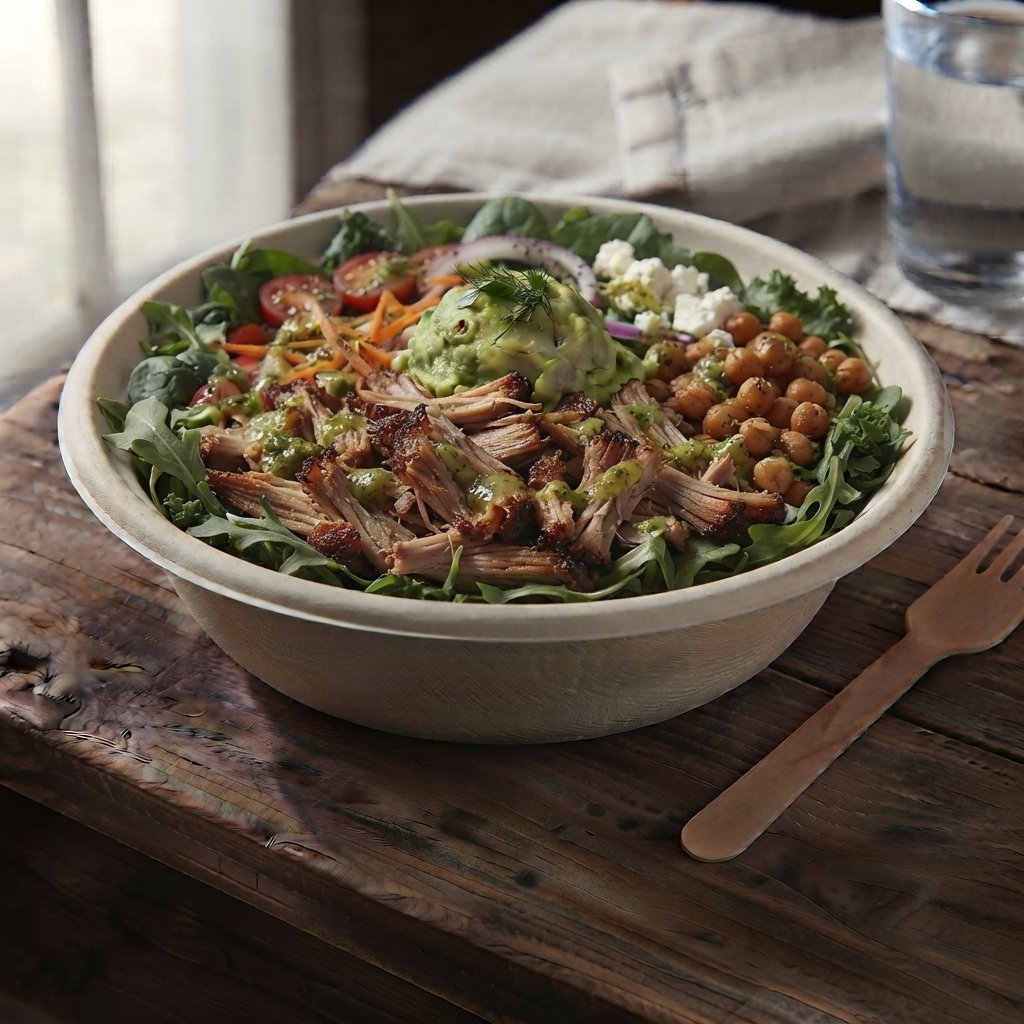
The Carnitas Salad combines Chipotle’s slow-braised pork with a fresh Supergreens base, creating a flavorful salad option that replaces the rice and tortilla found in many burrito builds with leafy greens.
How the Carnitas Salad Is Made
Chipotle’s carnitas are made from pork shoulder that is slow-braised with bay leaf, thyme, juniper berries, black pepper, and salt until tender. The pork is then finished on the plancha, giving some pieces a lightly caramelized and crisp exterior.
A standard serving of carnitas is approximately 210 calories, 23g protein, and 12g fat. In a salad, the rich pork pairs with the lighter Supergreens base and fresh toppings.
Core Ingredients & Estimated Calories
| Ingredient | Estimated Calories |
|---|---|
| Slow-Braised Carnitas | ~210 cal |
| Supergreens Salad Base | ~15 cal |
| Roasted Chili-Corn Salsa | Varies |
| Fresh Tomato Salsa | Varies |
| Fajita Vegetables | ~20 cal |
| Cheese / Sour Cream | Optional |
For a flavorful and relatively balanced build, combine carnitas with Supergreens, roasted chili-corn salsa, fresh tomato salsa, and fajita vegetables. Skipping the vinaigrette keeps the overall calorie count lower while allowing the savory pork and sweet corn salsa to provide most of the flavor.
High Protein Salad – A Protein-Focused Chipotle Salad Option
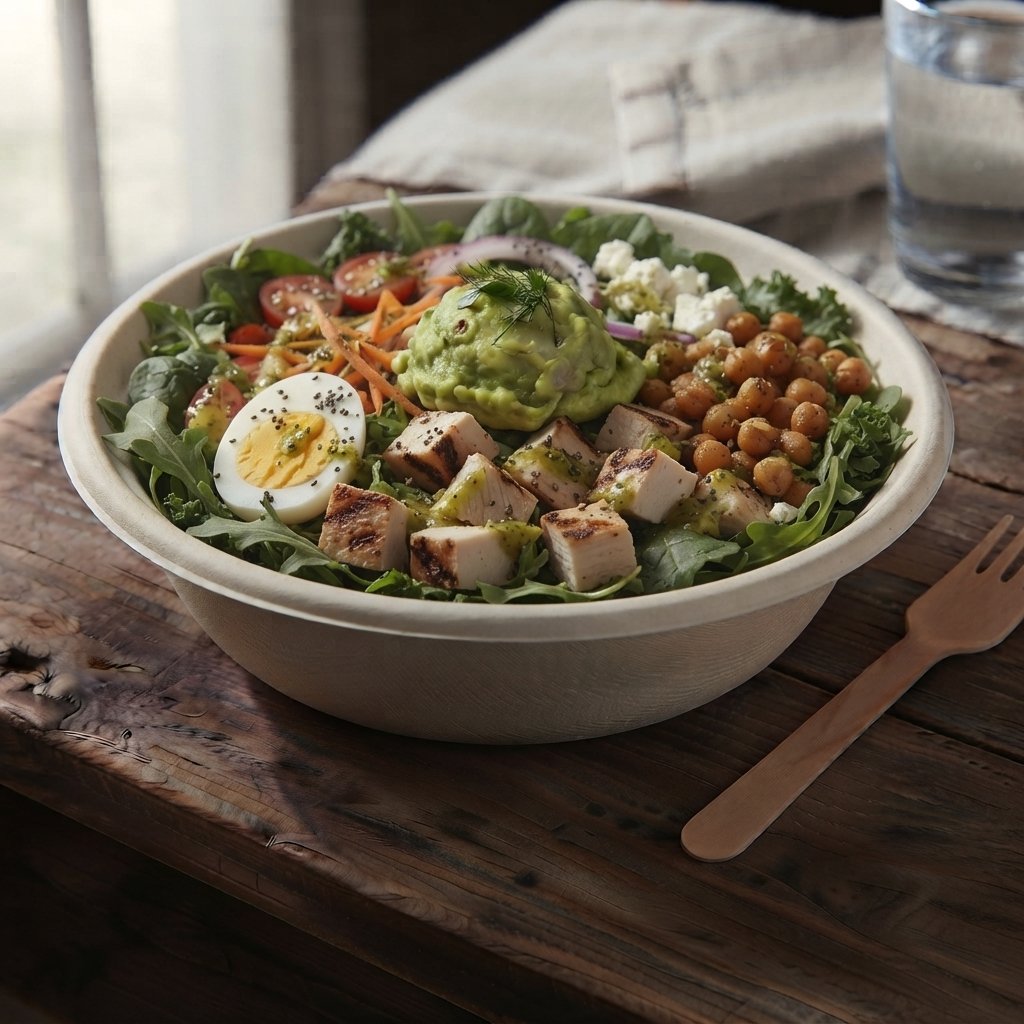
The High Protein Salad is a protein-focused Chipotle Lifestyle build featuring Supergreens, chicken, fresh salsa, red salsa, sour cream, and cheese in its standard configuration. The salad format provides a way to prioritize protein while avoiding a flour tortilla and traditional rice base.
This build combines grilled chicken, Supergreens, black beans, vegetables, and salsa to create a higher-protein salad option. It can also be customized by removing dairy toppings or dressing.
How the High Protein Salad Is Made
The salad starts with a full serving of plancha-grilled Adobo Chicken over the Supergreens base. Black beans add additional protein and fiber, while fajita vegetables, fresh tomato salsa, and tomatillo-red chili salsa provide vegetables, texture, and flavor.
Unlike a traditional burrito-style meal, this salad build does not require rice or a flour tortilla. The ingredients can also be customized to adjust calories, carbohydrates, fat, and dairy.
Core Ingredients & Estimated Calories
| Ingredient | Estimated Calories |
|---|---|
| Adobo Chicken | ~180 cal |
| Supergreens Salad Base | ~15 cal |
| Black Beans | ~130 cal |
| Fajita Vegetables | ~20 cal |
| Fresh Tomato Salsa | ~25 cal |
| Tomatillo-Red Chili Salsa | ~30 cal |
| Cheese / Sour Cream | Optional |
For a protein-focused and relatively balanced combination, use chicken, Supergreens, black beans, fajita vegetables, fresh tomato salsa, and tomatillo-red chili salsa. Skipping the vinaigrette and optional dairy toppings can help keep the calorie and fat content lower.
The main appeal of this build is its combination of protein, fiber, vegetables, and leafy greens without a flour tortilla or rice base. With approximately 40g of protein and 14g of dietary fiber in the stated build, it can be useful for diners who are specifically looking for a higher-protein salad meal.
Low Calorie Salad – A Lighter Chipotle Salad Build
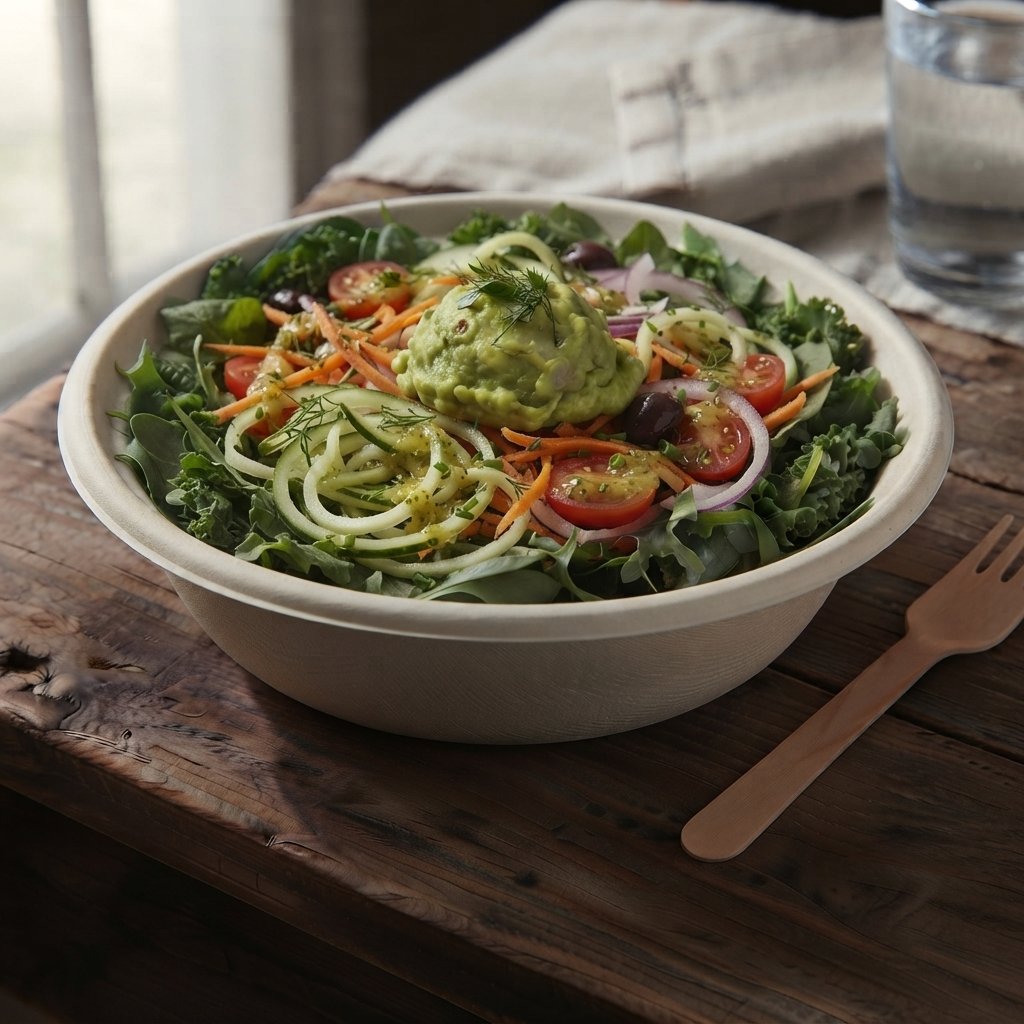
The Low Calorie Salad focuses on lean protein, leafy greens, vegetables, and salsa while leaving out higher-calorie additions such as rice, beans, cheese, sour cream, and vinaigrette. It can be customized for customers who want to keep the overall calorie content relatively low while still having a full salad meal.
This stripped-down build uses chicken, Supergreens, fajita vegetables, two salsas, and extra lettuce. Removing calorie-dense toppings and dressing keeps the build focused on protein, vegetables, and flavor.
How the Low Calorie Salad Is Made
The build starts with Adobo Chicken and the Supergreens salad base. Fajita vegetables, fresh tomato salsa, and tomatillo-green chili salsa add flavor and vegetables without requiring rice, tortilla, cheese, sour cream, or vinaigrette.
Extra romaine lettuce can increase the volume of the meal without adding many calories. The combination makes the salad easy to customize around a lower-calorie meal plan.
Core Ingredients & Estimated Calories
| Ingredient | Estimated Calories |
|---|---|
| Adobo Chicken | ~180 cal |
| Supergreens Salad Base | ~15 cal |
| Fajita Vegetables | ~20 cal |
| Fresh Tomato Salsa | ~25 cal |
| Tomatillo-Green Chili Salsa | ~30 cal |
| Extra Romaine Lettuce | ~5 cal |
For a lower-calorie combination, use chicken, Supergreens, fajita vegetables, fresh tomato salsa, green chili salsa, and extra lettuce. Skipping vinaigrette, cheese, and sour cream keeps additional calories and fat lower. Guacamole can be added when you want its flavor and fats while accounting for the additional calories.
The main advantage of this build is how the ingredients are selected to keep calories relatively controlled without turning the meal into a small side dish. Chicken provides protein, while Supergreens, fajita vegetables, salsa, and extra lettuce add volume and flavor.
Guacamole can also be added when desired, but its calories should be included in the total meal calculation.
Steak Salad – A Bold, Protein-Rich Chipotle Salad
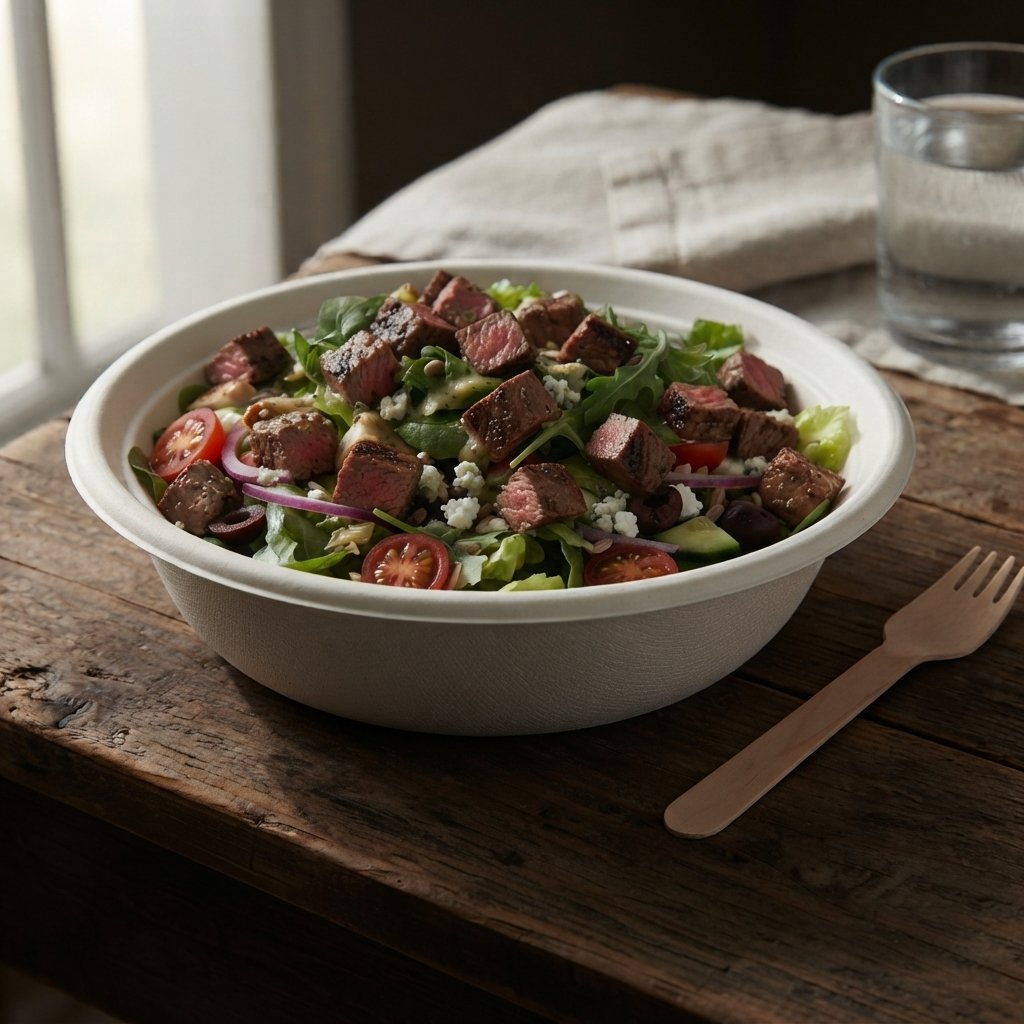
The Steak Salad combines grilled steak with Chipotle’s Supergreens base, fresh salsas, vegetables, and optional toppings. Steak provides a savory grilled flavor while keeping the protein portion relatively calorie-conscious compared with some higher-fat toppings.
This salad pairs plancha-grilled steak with leafy greens, vegetables, salsa, and optional toppings. A customized build can provide a substantial amount of protein without adding a rice or tortilla base.
How the Steak Salad Is Made
Chipotle’s steak is prepared from beef that is seasoned with ingredients including black pepper, smoked paprika, garlic, oregano, cumin, and chipotle peppers. The steak is grilled on the plancha and served in pieces over the salad base.
A standard serving of steak is approximately 150 calories and 21g of protein. Combined with Supergreens, vegetables, and salsa, it creates a flavorful foundation for a customizable salad.
Core Ingredients & Estimated Calories
| Ingredient | Estimated Calories |
|---|---|
| Marinated Grilled Steak | ~150 cal |
| Supergreens Salad Base | ~15 cal |
| Black Beans | Optional |
| Roasted Chili-Corn Salsa | Varies |
| Tomatillo-Red Chili Salsa | Varies |
| Fajita Vegetables | ~20 cal |
| Cheese / Sour Cream | Optional |
A flavorful combination is steak with Supergreens, black beans, roasted chili-corn salsa, tomatillo-red chili salsa, and fajita vegetables. The combination adds protein, fiber, vegetables, and contrasting sweet and spicy flavors without requiring a rice or tortilla base.
Steak gives this salad a distinctive grilled-beef flavor while the Supergreens base keeps the meal in a salad format. Pairing steak with black beans, salsa, and fajita vegetables can also increase the meal’s protein and fiber content.
For customers watching calories, the steak portion itself contributes approximately 150 calories and 21g of protein before additional toppings and dressings are added.
Paleo Bowl Salad – A Chipotle Lifestyle Bowl Option
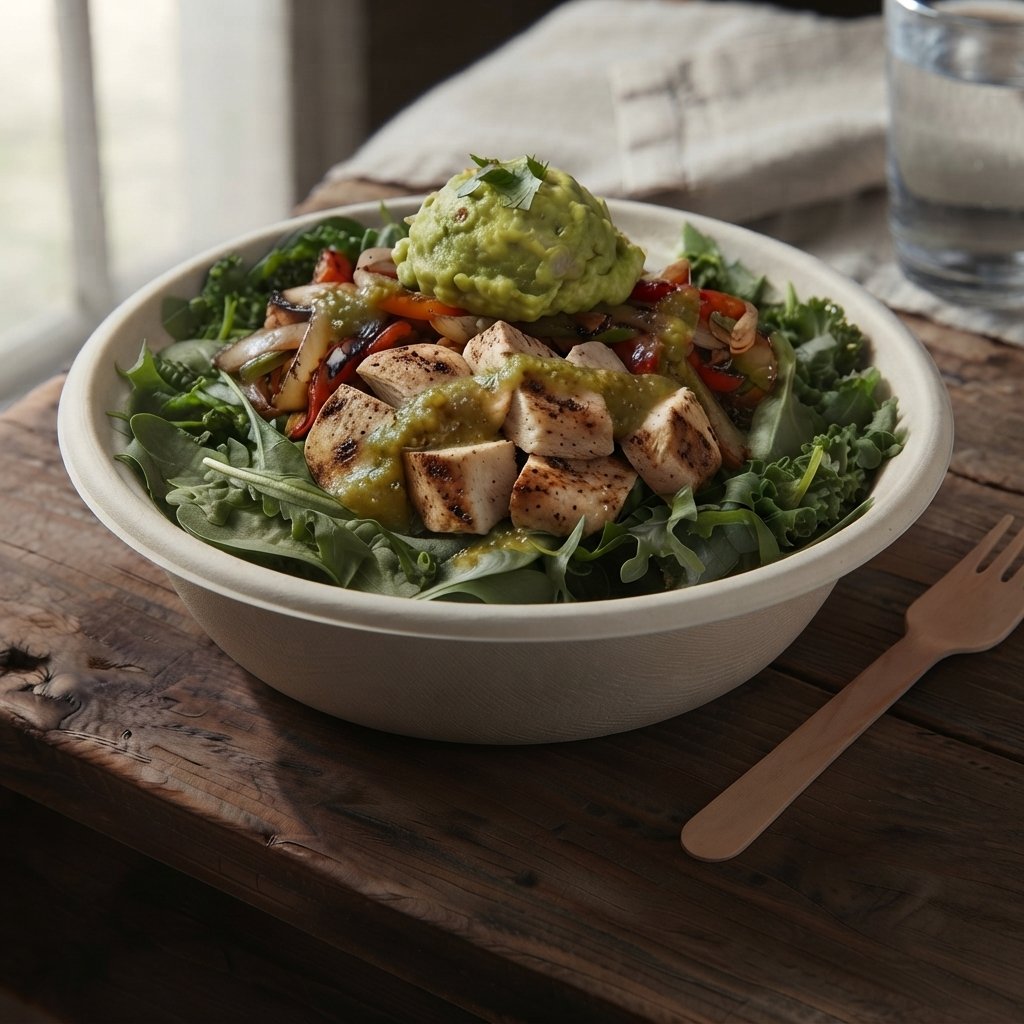
The Paleo Salad Bowl is a Chipotle Lifestyle Bowl built around barbacoa, romaine lettuce, fajita vegetables, tomatillo-green chili salsa, and hand-mashed guacamole. The combination avoids traditional rice, beans, dairy, and tortilla ingredients, making it a useful option for customers following a Paleo-style eating pattern.
The standard build combines slow-braised barbacoa with fresh romaine, grilled fajita vegetables, green salsa, and guacamole. It contains no rice, beans, dairy, or flour tortilla.
How the Paleo Salad Bowl Is Made
The bowl starts with slow-braised barbacoa, a seasoned beef preparation cooked until tender and then served over fresh chopped romaine lettuce. Fajita vegetables add grilled vegetables, while tomatillo-green chili salsa provides acidity and heat.
Hand-mashed guacamole completes the bowl and provides a creamy texture without adding dairy. The standard combination does not include rice, beans, cheese, sour cream, or a flour tortilla.
Core Ingredients & Estimated Calories
| Ingredient | Estimated Calories |
|---|---|
| Barbacoa | ~170 cal |
| Fresh Romaine Lettuce | ~5 cal |
| Fajita Vegetables | ~20 cal |
| Tomatillo-Green Chili Salsa | ~30 cal |
| Hand-Mashed Guacamole | ~230 cal |
A traditional Paleo eating pattern generally avoids grains, legumes, dairy, and many highly processed foods. The standard ingredients in this Lifestyle Bowl are selected around those restrictions.
- No grains: no rice or flour tortilla.
- No legumes: no black or pinto beans.
- No dairy: no cheese, queso, or sour cream.
- Vegetable base: fresh romaine and fajita vegetables.
- Whole-food fat source: hand-mashed guacamole.
The standard Lifestyle Bowl combination is already designed around a Paleo-style ingredient selection, so there is no need to add rice, beans, dairy, or tortilla ingredients.
Barbacoa Salad – A Deep, Slow-Braised Flavor Option
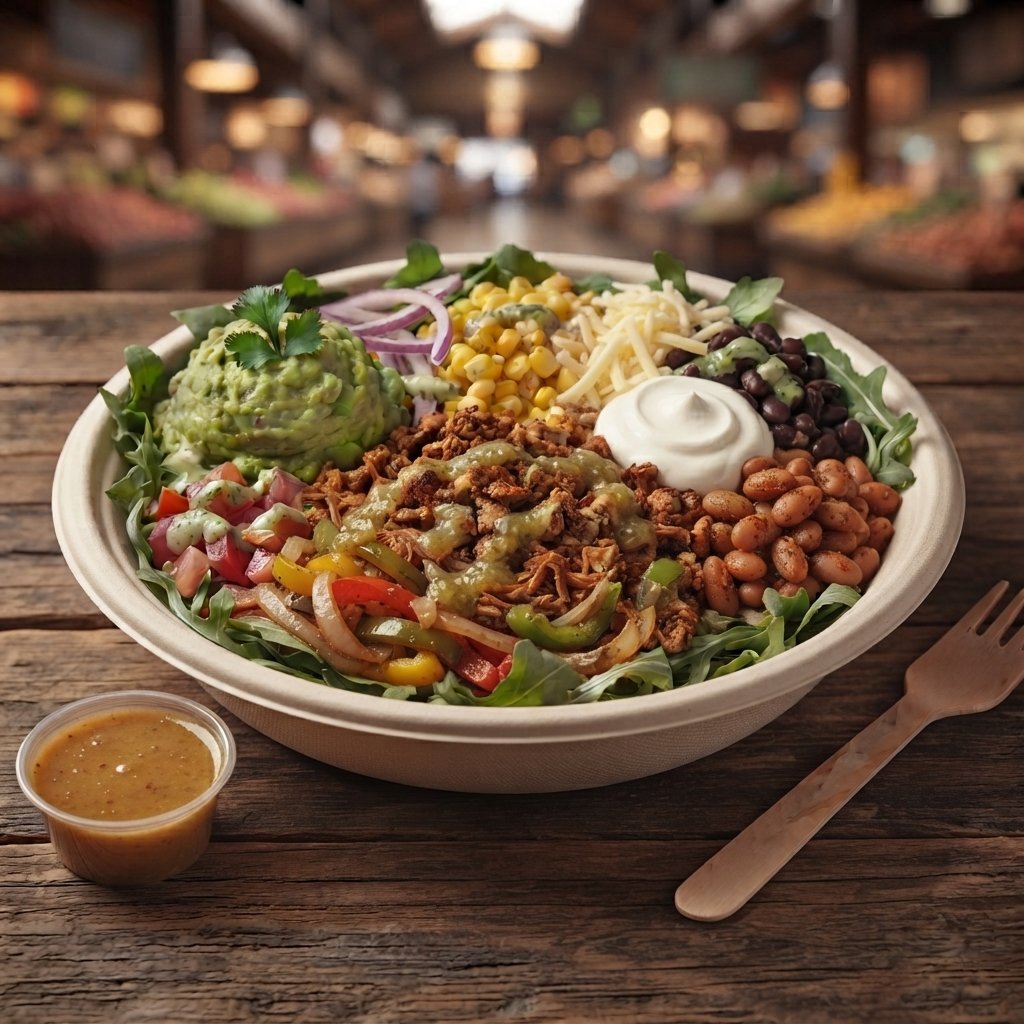
The Barbacoa Salad combines slow-braised beef with Chipotle’s Supergreens base, beans, salsas, vegetables, and optional toppings. The final calorie count can vary substantially depending on additions such as guacamole, cheese, sour cream, and Honey Vinaigrette.
Barbacoa provides a tender, slow-braised beef option with approximately 170 calories, 24g of protein, and 7g of fat per serving. The salad can be customized with beans, vegetables, salsas, dairy toppings, guacamole, and dressing.
How the Barbacoa Salad Is Made
Barbacoa is made with beef that is slow-braised for several hours with chipotle peppers in adobo, garlic, cumin, cloves, black pepper, oregano, and apple cider vinegar. The cooking process produces tender, pull-apart beef with a deeply seasoned flavor.
A serving of barbacoa contains approximately 170 calories, 24g of protein, and 7g of fat. Carnitas is another slow-cooked protein option and contains approximately 210 calories per serving.
Core Ingredients & Estimated Calories
| Ingredient | Estimated Calories |
|---|---|
| Slow-Braised Barbacoa | ~170 cal |
| Supergreens Base | ~15 cal |
| Black Beans | ~130 cal |
| Roasted Chili-Corn Salsa | ~80 cal |
| Tomatillo-Red Chili Salsa | ~30 cal |
| Cheese | ~110 cal |
| Sour Cream | ~120 cal |
| Honey Vinaigrette | ~220 cal |
| Guacamole | ~230 cal |
A balanced build can combine barbacoa with Supergreens, pinto beans, roasted chili-corn salsa, tomatillo-green chili salsa, and fajita vegetables. Skipping the vinaigrette reduces the added calories from dressing while allowing the beef and salsa flavors to remain prominent.
The approximately 980-calorie figure represents a heavily loaded build containing beans, guacamole, cheese, sour cream, and Honey Vinaigrette. Removing some or all of these calorie-dense additions can bring the total substantially lower.
The slow-braised beef has a deeply seasoned flavor from chipotle peppers, garlic, cumin, cloves, oregano, and vinegar. The sweetness of the roasted chili-corn salsa provides a contrasting flavor alongside the savory barbacoa, while fajita vegetables add texture and additional vegetable flavor.
Sofritas Salad – A Vegan-Friendly Chipotle Salad Option
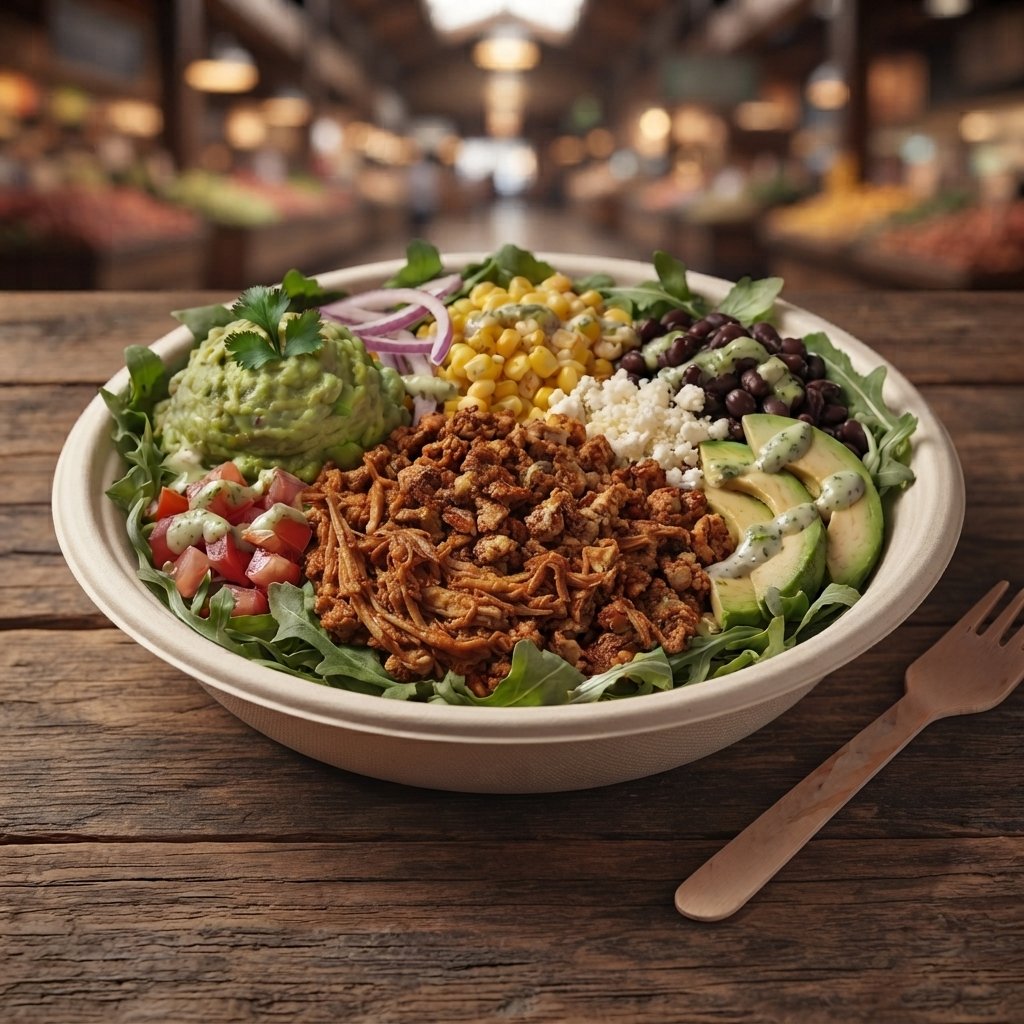
The Sofritas Salad combines Chipotle’s seasoned tofu protein with Supergreens, beans, vegetables, salsa, and guacamole. It provides a plant-based way to build a substantial salad while avoiding meat, cheese, and sour cream.
Sofritas are made from organic tofu that is seasoned with a blend of chipotle peppers, roasted poblano peppers, tomatoes, cumin, oregano, and garlic. Guacamole can be included with this plant-based build without adding a separate meat or dairy component.
How the Sofritas Salad Is Made
Sofritas are prepared from organic tofu that is shredded and braised with chipotle peppers in adobo sauce, roasted poblano peppers, roasted tomatoes, cumin, oregano, and garlic. The seasoned tofu absorbs the surrounding spices, giving the plant-based protein a savory and smoky flavor.
The Sofritas portion provides approximately 150 calories, 8g of protein, and 10g of fat. It can be paired with Supergreens, beans, fajita vegetables, salsa, and guacamole to create a complete salad meal.
Core Ingredients & Estimated Calories
| Ingredient | Estimated Calories |
|---|---|
| Organic Tofu Sofritas | ~150 cal |
| Supergreens Base | ~15 cal |
| Black Beans | ~130 cal |
| Fajita Vegetables | ~20 cal |
| Roasted Chili-Corn Salsa | ~80 cal |
| Fresh Tomato Salsa | ~25 cal |
| Guacamole | ~230 cal |
A plant-based build can combine Sofritas with Supergreens, black beans, fajita vegetables, roasted chili-corn salsa, fresh tomato salsa, and guacamole. Skipping the vinaigrette keeps the ingredient list simpler while allowing the salsa and guacamole to provide additional flavor.
The Sofritas Salad provides a plant-based combination of seasoned tofu, beans, vegetables, salsa, and guacamole. For diners avoiding meat and dairy, it offers a customizable salad format that can be built around plant-based ingredients.
Guacamole is an important part of this build because it adds creamy texture and additional calories and fat without introducing dairy. If guacamole is included at no additional charge with the applicable Sofritas order, that can reduce the cost compared with adding guacamole separately to other salad builds.
Guacamole pricing can vary by location and ordering channel, so check the current price displayed when ordering.
Bonus: Wholesome Bowl, Keto Salad Bowl & Whole30 Salad Bowl
Chipotle Lifestyle Bowls are pre-configured meal combinations designed around specific dietary preferences. These options are available through Chipotle’s digital ordering channels and can help customers find meals built around dietary styles such as keto, Paleo, Whole30, grain-free, and gluten-free.
This section covers three Lifestyle Bowl builds: the Wholesome Bowl, Keto Salad Bowl, and Whole30 Salad Bowl. Each has a predefined combination of proteins, vegetables, salsas, and toppings.
Wholesome Bowl – Paleo, Whole30, Keto & Gluten-Free Option
The Wholesome Bowl combines Supergreens, chicken, fajita vegetables, Fresh Tomato Salsa, and guacamole. The listed Lifestyle Bowl configuration is designed around Paleo, Whole30, grain-free, gluten-free, and keto dietary frameworks.
Wholesome Bowl Ingredients
| Ingredient | Role in the Bowl |
|---|---|
| Supergreens | Fresh leafy green salad base |
| Chicken | Main protein source |
| Fajita Vegetables | Grilled vegetable component |
| Fresh Tomato Salsa | Tomato-based salsa for freshness and acidity |
| Guacamole | Avocado-based source of fat and flavor |
This combination avoids rice, beans, and flour tortillas while keeping the bowl centered on leafy greens, grilled vegetables, chicken, fresh salsa, and avocado.
The Wholesome Bowl brings several dietary attributes together in one predefined Chipotle order. Its combination of chicken, Supergreens, fajita vegetables, fresh salsa, and guacamole provides protein, vegetables, fiber, and avocado-based fats without a grain or tortilla component.
Keto Salad Bowl – Low-Carb Lifestyle Bowl Option
The Keto Salad Bowl is a predefined Chipotle Lifestyle Bowl made with Supergreens, chicken, Fresh Tomato Salsa, Red Salsa, sour cream, and cheese. Its ingredient combination avoids grains, legumes, and tortillas while including higher-fat toppings such as cheese and sour cream.
Keto Salad Bowl Ingredients
| Ingredient | Role in the Bowl |
|---|---|
| Supergreens | Leafy green salad base |
| Chicken | Main protein source |
| Fresh Tomato Salsa | Fresh tomato and vegetable salsa |
| Red Salsa | Spicy salsa component |
| Sour Cream | Creamy, higher-fat topping |
| Cheese | Dairy topping and additional fat |
The predefined build uses a salad base instead of rice or a tortilla and combines chicken with salsa, cheese, and sour cream.
This Lifestyle Bowl is structured around a salad base, chicken, salsa, cheese, and sour cream. It provides a predefined combination for customers following a keto-oriented or lower-carbohydrate eating pattern while avoiding rice, beans, and flour tortillas.
Whole30 Salad Bowl – Carnitas & Guacamole Build
The Whole30 Salad Bowl combines braised and hand-shredded carnitas, grilled fajita vegetables, Fresh Tomato Salsa, and hand-mashed guacamole on a bed of fresh chopped romaine lettuce. It is designed as a Lifestyle Bowl option for customers following the Whole30 program.
Whole30 Salad Bowl Ingredients
| Ingredient | Role in the Bowl |
|---|---|
| Fresh Chopped Romaine | Leafy green salad base |
| Carnitas | Braised and hand-shredded pork protein |
| Fajita Vegetables | Grilled vegetable component |
| Fresh Tomato Salsa | Fresh salsa topping |
| Guacamole | Hand-mashed avocado topping |
The bowl uses leafy greens instead of rice or a tortilla and combines carnitas with grilled vegetables, fresh salsa, and guacamole.
The Whole30 Salad Bowl provides a predefined combination of carnitas, vegetables, salsa, guacamole, and leafy greens. It is relevant to customers searching for a Chipotle Whole30 Salad or a Whole30-oriented restaurant meal.
The Whole30 program has also highlighted travel and eating away from home as situations where finding suitable meal options can be challenging. A predefined Lifestyle Bowl can make it easier to identify a combination of ingredients that fits a particular dietary preference.
Which Chipotle Lifestyle Bowl Fits Your Dietary Preference?
The Wholesome Bowl combines chicken, Supergreens, fajita vegetables, Fresh Tomato Salsa, and guacamole. The Keto Salad Bowl uses chicken, Supergreens, salsa, cheese, and sour cream. The Whole30 Salad Bowl uses carnitas, romaine lettuce, fajita vegetables, Fresh Tomato Salsa, and guacamole.
These predefined builds make it easier to identify a Chipotle meal based on a specific dietary framework without starting the order entirely from scratch. Ingredient availability, pricing, and ordering options can vary by location and may change over time.
People’s Favorite, Most Affordable & Most Premium Chipotle Salads
People’s Favorite – Chicken Salad
The Chipotle Chicken Salad is a widely recognized choice for customers looking for a protein-focused salad. Chicken is also a familiar protein across Chipotle’s burritos, bowls, and salad builds, making it an easy starting point for customers ordering a salad for the first time.
A standard serving of Chipotle chicken provides approximately 180 calories and 32g of protein. Steak is another protein option with a relatively moderate calorie contribution, depending on the current nutrition information and serving size. This makes either protein useful when building a salad around vegetables, beans, salsa, and other toppings.
Chicken also pairs naturally with Chipotle’s range of salsa and topping choices. Customers can combine it with fresh tomato salsa, tomatillo salsas, fajita vegetables, beans, cheese, sour cream, guacamole, or other available ingredients to create different flavor and nutrition profiles.
The combination of familiar flavor, substantial protein, broad topping compatibility, and an estimated base price of $10.95 makes Chicken Salad a practical option for customers who want a customizable Chipotle salad.
Most Affordable – Low Calorie & Sofritas Salads
Two different Chipotle salad builds can appeal to customers comparing price and overall value: the Low Calorie Salad and the Sofritas Salad. They approach the value question differently, with one emphasizing a lower-calorie ingredient combination and the other offering a plant-based protein with guacamole depending on the applicable menu and pricing.
Low Calorie Salad
The Low Calorie Salad can be built around chicken, Supergreens, fajita vegetables, and salsa while limiting higher-calorie additions such as cheese, sour cream, guacamole, and vinaigrette.
A stripped-down build can provide approximately 470 calories, based on the ingredient combination used for this guide. This makes the build useful for customers comparing total calories while keeping a substantial amount of food volume.
Estimated Price: $10.75Sofritas Salad
The Sofritas Salad uses Chipotle’s seasoned tofu-based Sofritas as its protein. A typical build can include Supergreens, beans, fajita vegetables, salsa, and guacamole.
For customers who choose guacamole, the overall value can differ from a meat-based salad where guacamole is charged separately. The exact price and promotional treatment should be checked against the current menu for the customer’s location.
Estimated Price: $10.95The Low Calorie Salad and Sofritas Salad serve different priorities. The Low Calorie build emphasizes a lower-calorie ingredient combination, while Sofritas provides a plant-based protein option and can change the overall value calculation when guacamole is included.
Most Premium – Barbacoa Salad
The Chipotle Barbacoa Salad sits at the premium end of the salad price range used in this guide, with an estimated price of $13.00. Its distinctive protein preparation is based on slow-braised beef seasoned with ingredients including chipotle peppers, garlic, cumin, cloves, oregano, and apple cider vinegar.
Estimated Price: $13.00The Supergreens base gives the barbacoa a vegetable-focused foundation, while the braised beef remains the primary flavor component. Customers can further customize the salad with beans, fajita vegetables, salsa, cheese, sour cream, guacamole, and vinaigrette.
A fully loaded Barbacoa Salad can reach approximately 980 calories in the ingredient combination used for this guide. A significant portion of that total comes from calorie-dense additions such as guacamole, cheese, sour cream, and vinaigrette, rather than the salad base alone.
Removing or reducing calorie-dense toppings can substantially lower the total calorie count while retaining barbacoa, Supergreens, vegetables, and salsa. This illustrates an important part of the Chipotle salad menu: the final nutrition profile depends heavily on the ingredients selected.
Explore the full Barbacoa Salad guide: For the complete ingredient breakdown, estimated calories, nutrition information, dietary considerations, and suggested build, see the detailed Chipotle Barbacoa Salad section above.
Price & nutrition note: The $13.00 estimated price and approximately 980-calorie loaded build are guide figures. Actual menu prices, portions, available ingredients, and nutrition totals may vary by Chipotle restaurant and selected ingredients.
How These Chipotle Salads Compare
Chicken Salad provides a familiar, protein-focused starting point with broad customization possibilities.
Low Calorie Salad focuses on keeping the overall calorie total lower through a streamlined ingredient selection.
Sofritas Salad provides a plant-based protein option and can have a different overall value depending on guacamole pricing and current menu offers.
Barbacoa Salad uses a slow-braised beef protein and can become substantially higher in calories when multiple calorie-dense toppings are added.
Customization Tips – Build a Better Chipotle Salad
One of the main advantages of the Chipotle Salad Menu is customization. You can change the base, protein, beans, fajita vegetables, salsas, dairy toppings, guacamole, and dressing to adjust the salad for different preferences such as higher protein, lower calories, more vegetables, or stronger flavor.
The tips below focus on simple ingredient swaps and portion choices that can change the calorie, protein, fiber, sodium, and overall volume of a Chipotle salad.
Use Salsas as a Dressing Alternative
If you want strong flavor without using the standard vinaigrette, consider using Chipotle salsas as the main dressing component. The Chipotle-Honey Vinaigrette is listed at approximately 220 calories per serving, while salsa portions generally contribute fewer calories.
For example, combining Roasted Chili-Corn Salsa with Fresh Tomato Salsa can add approximately 105 calories based on the figures used in this guide. The two salsas also provide different flavor characteristics, with tomato salsa adding acidity and freshness while the corn salsa contributes sweetness and texture.
Ask for Extra Supergreens
Supergreens Lettuce Blend provides the vegetable base for a Chipotle salad and is included as part of the standard salad build. Asking for extra greens can increase the physical volume of the meal without adding the calories associated with higher-calorie toppings such as cheese, sour cream, guacamole, or vinaigrette.
More vegetables can also make the salad feel larger and provide additional nutrients from leafy greens. The exact portion provided can vary by restaurant and serving.
Add Fajita Veggies for More Volume
Fajita Vegetables combine grilled peppers and onions and can add additional texture, aroma, and vegetable volume to a salad. The ingredient contributes approximately 20 calories per serving based on the nutrition figures used in this guide.
Because fajita vegetables are part of the standard customizable ingredient lineup, adding them can increase the amount of food in the bowl without the calorie contribution associated with cheese, sour cream, guacamole, or vinaigrette.
Use Two Salsas Instead of Vinaigrette
Another practical approach is to combine two different salsas for a layered flavor profile. Fresh Tomato Salsa and Roasted Chili-Corn Salsa provide contrasting flavors and textures that can work with chicken, steak, carnitas, barbacoa, or Sofritas.
Using the estimated nutrition figures in this guide, the two salsas together contribute approximately 105 calories, compared with approximately 220 calories for a serving of vinaigrette.
Order Guacamole on the Side for More Portion Control
If you enjoy guacamole but want more control over how much you eat with each bite, consider ordering it on the side where that option is available. This allows you to add smaller amounts throughout the meal instead of having the entire portion distributed through the salad.
Guacamole contributes healthy unsaturated fats along with calories, so using it intentionally can be useful when balancing flavor, texture, and total calorie intake.
Try a Half-and-Half Bean Combination
Chipotle allows customers to customize the bean selection in a salad. Choosing half black beans and half pinto beans can provide a combination of textures and flavors rather than relying on one bean variety.
Beans also contribute protein, carbohydrates, and dietary fiber. Based on the nutrition figures used in this guide, a standard serving of either bean option contributes approximately 130 calories and around 8g of protein.
Choose Your Toppings According to Your Goal
The best Chipotle salad build depends on what you want from the meal. Instead of choosing toppings first, decide whether your priority is protein, calorie control, fiber, vegetables, or flavor, then build the salad around that goal.
For higher protein: Start with chicken or another protein option and consider adding beans. Customers with higher protein requirements can also compare a double protein serving where available and appropriate.
For calorie control: Choose your protein, vegetables, and salsa first, then decide whether you want calorie-dense additions such as cheese, sour cream, guacamole, or vinaigrette.
For more vegetables: Build around Supergreens, fajita vegetables, and salsa before adding richer toppings.
For more flavor: Combine different salsa varieties and use ingredients such as fajita vegetables to create additional texture and contrast.
Quick Chipotle Salad Customization Guide
More volume: Extra Supergreens + fajita vegetables
Lower-calorie dressing approach: Salsa instead of vinaigrette
More flavor variety: Combine two different salsas
More portion control: Guacamole on the side
More bean variety: Half black beans + half pinto beans
Protein-focused build: Protein + beans, with optional additional protein
Calorie-conscious build: Protein + vegetables + salsa before calorie-dense toppings
Nutrition note: Calorie, protein, sodium, and ingredient figures shown in this guide are estimates based on the portions and menu information used for this article. Actual values can vary with serving size, restaurant location, ingredient availability, and customizations. Check Chipotle’s current nutrition information for the latest official figures.
Money-Saving & Budget-Friendly Tips
Building a Chipotle salad does not have to mean adding every premium ingredient. Because the Chipotle Mexican Grill menu is highly customizable, customers can use included ingredients, compare protein choices, and review nutrition information before paying for additional toppings.
These budget-friendly strategies focus on reducing unnecessary add-on costs while still creating a filling and customizable salad.
Consider Sofritas or a Veggie Build When You Want Guacamole
One potential way to reduce the cost of a salad with guacamole is to compare the current pricing and guacamole inclusion for Sofritas and Veggie builds. Chipotle has historically offered guacamole with certain vegetarian orders without the additional charge that may apply to other protein selections.
If a meat-based salad would require a separate guacamole charge, comparing that total with a Sofritas or Veggie salad can make a noticeable difference for customers who regularly order avocado.
Check Lifestyle Bowls in the Chipotle App
Customers looking for specific dietary builds can check the Chipotle app and website for available Lifestyle Bowl options. Builds such as the Wholesome Bowl, Keto Salad Bowl, and Whole30 Salad Bowl can be presented differently from the standard menu and may be easier to find through Chipotle’s digital ordering interface.
The exact availability, ingredients, price, and included toppings should be checked at the time of ordering because digital menu offerings can change.
Skip the Vinaigrette If You Do Not Need It
The Chipotle-Honey Vinaigrette is one of the higher-calorie additions available for a salad. The nutrition figures used in this guide list approximately 220 calories and 850mg of sodium per serving.
Customers who are primarily looking for moisture and flavor can instead use salsa. Fresh Tomato Salsa, Roasted Chili-Corn Salsa, and other available salsa choices can add flavor without the same calorie contribution as a full vinaigrette serving.
Use Included Toppings Before Paying for Extras
Before adding premium ingredients, take advantage of the customizable ingredients included with the salad. Depending on current menu availability, these can include fajita vegetables, salsa, lettuce, and other standard toppings.
Starting with the included ingredients allows you to increase vegetables, texture, and flavor before deciding whether premium additions such as guacamole, queso, or additional protein fit your budget.
Compare Your Order Before Adding Premium Ingredients
Premium additions can change the final price quickly. Before submitting a Chipotle salad order, review whether you actually want each additional ingredient, especially guacamole, queso, double protein, or other paid customizations.
This is particularly useful when the goal is to keep the meal within a specific budget. A salad can start at one price and become considerably more expensive after several paid additions.
Use the Nutrition Calculator Before Ordering
Chipotle salads are highly customizable, which means the final nutrition profile can be very different from the starting build. Using Chipotle’s official nutrition information before ordering can help you see how individual ingredients affect calories, protein, carbohydrates, fat, and sodium.
This is particularly useful when combining several toppings. A salad that begins with a relatively light base can become substantially higher in calories after adding vinaigrette, guacamole, cheese, sour cream, and other calorie-dense ingredients.
Quick Money-Saving Checklist
Want guacamole? Compare Sofritas or Veggie pricing with a meat-based salad plus guacamole.
Want lower calories? Consider skipping the vinaigrette and using salsa instead.
Want more food without extra cost? Start with available included vegetables, lettuce, beans, and salsa.
Ordering a Lifestyle Bowl? Check the Chipotle app or website for current availability and pricing.
Adding premium ingredients? Review the final price before checkout.
Watching nutrition? Use Chipotle’s current nutrition information to calculate your customized order.
Price, menu & availability note: Chipotle menu prices, ingredient charges, promotions, Rewards benefits, Lifestyle Bowl availability, and included ingredients can vary by restaurant, location, ordering channel, and time. Dollar amounts shown in this guide are estimates unless specifically verified against the current Chipotle menu for the relevant location.
Nutrition note: Nutrition values are estimates based on the portions and menu information used for this guide. Actual totals can change with serving sizes and customizations.
Chipotle Salad vs. Panera Bread Salad – The Honest Comparison
Chipotle and Panera Bread both offer customizable and pre-built salad options, but their menus are structured differently. Chipotle focuses heavily on build-your-own meals, while Panera offers a larger selection of composed salads alongside other café-style meals.
The comparison below looks at the salad base, proteins, dressing options, customization, price ranges, calories, protein, and dietary considerations. Exact prices and nutrition can vary by menu item, location, and customization.
| Factor | Chipotle | Panera Bread |
|---|---|---|
| Salad Base | Supergreens lettuce blend can be used as the base for a customizable salad. | Salad options can include combinations of romaine, mixed greens, kale, and other vegetables depending on the recipe. |
| Protein Options | Chicken, steak, barbacoa, carnitas, and Sofritas are among the protein choices available for salads. | Protein choices vary by salad and can include chicken, turkey, chickpeas, and other recipe-specific ingredients. |
| Dressing | Chipotle’s Honey Vinaigrette is listed at approximately 220 calories and can be added separately to a salad. | Dressing calories vary by the specific Panera salad and dressing selected. |
| Customization | A salad can be built from individual ingredients including protein, beans, salsas, fajita vegetables, cheese, sour cream, guacamole, and dressing. | Panera provides customization on many menu items, but its salads are generally presented as defined recipes. |
| Price | Estimated salad prices can vary by location and protein. The salads covered in this guide are approximately $10.75-$13.00. | Panera salad prices vary by location, menu item, and market. |
| Calories | Calories can change substantially depending on the selected protein, beans, cheese, sour cream, guacamole, and dressing. | Calories also vary by recipe, toppings, dressing, and customization. |
| Protein | Chipotle provides several protein choices. For example, its nutrition information lists approximately 32g protein for a serving of chicken. | Protein amounts vary considerably between individual Panera salad recipes and their selected ingredients. |
| Gluten Considerations | Ingredient selection allows customers to avoid tortilla-based ingredients when building a salad. Individual ingredients and allergen information should still be checked before ordering. | Panera provides allergen and ingredient information, but individual salads and ingredients can differ. |
| Vegetarian Options | Sofritas provides a plant-based protein option, while beans, vegetables, salsas, and guacamole can also be selected. | Vegetarian salad choices depend on the current menu and recipe composition. |
| Plant-Based Protein | Sofritas are made from seasoned plant-based ingredients and provide approximately 8g protein per serving according to Chipotle’s nutrition information. | Plant-based ingredients such as chickpeas may appear in selected salads, depending on the current menu. |
| Lifestyle Bowls | Chipotle offers specialized Lifestyle Bowl builds through its ordering channels, with configurations designed around different dietary patterns. | Panera’s menu structure differs and does not use the same Lifestyle Bowl naming system. |
| Ingredient Flexibility | Customers can combine individual ingredients to create a personalized salad rather than selecting only a fixed recipe. | Customers can customize many items, but the menu is more centered around established recipes. |
The biggest difference is the way each restaurant structures its salad experience. Chipotle allows customers to assemble a salad from individual ingredients, making it possible to change the protein, beans, vegetables, salsas, dairy toppings, guacamole, and dressing. Panera generally presents salads as defined recipes, with customization available on many items.
Customization
Chipotle’s build-your-own format allows individual ingredients to be added, removed, or changed, which can significantly affect calories, protein, carbohydrates, fat, and sodium.
Protein Choices
Chipotle provides several meat and plant-based protein choices, allowing the protein component of a salad to be changed without changing the entire meal format.
Calorie Control
Because ingredients are selected individually, Chipotle salads can be adjusted by reducing calorie-dense additions such as dressing, cheese, sour cream, or guacamole.
Menu Structure
Panera and Chipotle approach salads differently: Panera emphasizes composed menu recipes, while Chipotle emphasizes ingredient-level customization.
Final Thoughts
The Chipotle Salad Menu 2026 offers substantial flexibility because you can choose the protein, salad base, beans, vegetables, salsas, cheese, sour cream, guacamole, and dressing. The final calories and nutrition depend heavily on those selections. A fully loaded salad can be considerably higher in calories, while a build centered on Supergreens, protein, vegetables, and salsa can provide a lighter meal with a meaningful amount of protein and fiber.
For example, the estimated loaded builds covered in this guide include about 910 calories for the Chicken Salad and about 980 calories for the Barbacoa Salad. These higher totals can come from combinations of calorie-dense additions such as Chipotle-Honey Vinaigrette, guacamole, cheese, and sour cream. Removing or reducing those ingredients can substantially change the nutritional profile of the same salad.
How to Build a Lower-Calorie Chipotle Salad
If your goal is to control calories, a practical approach is to start with Supergreens, add a protein source, include vegetables and salsa, and limit calorie-dense toppings according to your preferences. Using salsa instead of a full serving of vinaigrette is one way to reduce calories while still adding flavor. The exact nutrition will depend on the ingredients and portions selected.
Chipotle’s nutrition calculator can be used to check the estimated calories and nutrition for a customized order before ordering.
Which Chipotle Salad Should You Start With?
There is no single salad that fits every diet or nutrition goal. The Chicken Salad and High Protein Salad can be starting points for customers looking for a protein-focused meal. Customers who avoid animal protein can consider the Sofritas Salad, while customers following a specific dietary framework can review available Lifestyle Bowl configurations and adjust ingredients when necessary.
For customers with specific food allergies or dietary restrictions, Chipotle also provides an official allergens and special diet guide with ingredient and allergen information.
Chipotle Salad Nutrition: What to Remember
The most important point is that the word “salad” does not determine the final calorie count. Protein, beans, cheese, sour cream, guacamole, and dressing can all change the nutrition of a Chipotle salad. For example, Chipotle’s published nutrition information lists Chicken at 180 calories and 32g protein, Barbacoa at 170 calories and 24g protein, and Chipotle-Honey Vinaigrette at 220 calories per listed serving. :contentReference[oaicite:1]{index=1}
For the most accurate calculation, check your specific ingredients using the official Chipotle nutrition calculator before placing an order.
Frequently Asked Questions
What salads does Chipotle have in 2026?
The complete Chipotle Salad Menu 2026 includes Chicken Salad, Carnitas Salad, High Protein Salad, Low Calorie Salad, Steak Salad, Paleo Bowl Salad, Barbacoa Salad, and Sofritas Salad-plus app-exclusive Lifestyle Bowls including the Wholesome Bowl, Keto Salad Bowl, and Whole30 Salad Bowl.
How many calories are in a Chipotle salad?
Chipotle salads range from 350 calories for a stripped-down chicken build up to 980 calories for a fully loaded barbacoa salad with vinaigrette, guacamole, and dairy toppings.
Is the Chipotle salad gluten-free?
Yes, all Chipotle salads are naturally gluten-friendly because no flour tortilla is used in any salad format. Customers with celiac disease should speak with staff about shared preparation surfaces and cross-contact risk before ordering.
What is the healthiest Chipotle salad?
A well-built chicken salad at 350-450 calories with 30-40g of protein is one of the most macro-efficient fast-casual meals available. The high-protein salad and low-calorie salad are the two most nutritionally optimized builds on the standard menu.
How many calories does the Chipotle vinaigrette add?
The Chipotle-Honey Vinaigrette macros (220 cal, 850mg sodium for 2 fl oz) are taken directly from the paper menu’s tabular nutrition data. Always order it on the side and use salsas as your primary dressing instead.
Is the Sofritas Salad vegan?
Yes, when ordered without cheese or sour cream. All other standard ingredients (Supergreens base, black beans, all four salsas, fajita veggies, and guacamole) are fully vegan. Guacamole is included free on the Sofritas Salad order.
What are Chipotle Lifestyle Bowls?
Chipotle Lifestyle Bowls are app-exclusive, diet-driven menu options designed for Paleo, Keto, Whole30, and High Protein diets, featuring only real, compliant ingredients.
What is the cheapest Chipotle salad?
The Low Calorie Salad at $10.75 is the lowest-priced option on the standard menu. The Sofritas Salad at $10.95 includes free guacamole, making it the best value for customers who add guacamole to every order.
What is the most expensive Chipotle salad?
The Barbacoa Salad at $13.00 is the most expensive standard salad, reflecting the slow-braising process and the complex spice profile that barbacoa requires compared to every other standard Chipotle protein.
Can I order Chipotle Lifestyle Bowls in-store?
Lifestyle Bowls are available exclusively through the mobile app and on the Chipotle website for in-restaurant pickup or delivery. They cannot be ordered at the in-store counter, though the individual ingredients can be requested manually if you know the build.
Is Chipotle salad better than Panera salad?
Chipotle wins overall for high-protein macro builds and dietary flexibility, offering 38g of protein per salad. Panera wins for pre-built flavor variety and lighter options. The better choice depends entirely on whether your priority is protein density or salad variety.
What is the Paleo Salad Bowl at Chipotle?
The Paleo Salad Bowl contains braised and hand-shredded barbacoa, fajita veggies, green salsa, and hand-mashed guacamole on a bed of fresh chopped romaine lettuce. It is available through the Chipotle app only and includes free guacamole.
How many calories in Chipotle salad dressing?
The Chipotle-Honey Vinaigrette contains 220 calories and 850mg of sodium per 2 fl oz. Because it accounts for a large portion of a meal’s total calories, ordering it on the side is recommended for calorie-conscious builds.
What is the difference between a Chipotle salad and a burrito bowl?
A Chipotle salad uses a base of fresh chopped romaine lettuce (supergreens mix) and includes a complimentary vinaigrette, whereas a standard burrito bowl uses a base of cilantro-lime brown or white rice and black or pinto beans without the lettuce bed or dressing.